Key Takeaways Introduction In the digital age, cybersecurity is crucial. Organizations and businesses face a staggering number of potential threats, including hackers, malware, data breaches, and more. Organizations must understand their cyber risks and manage them accordingly. This is where cybersecurity risk assessment and risk management are important. Cybersecurity risk…
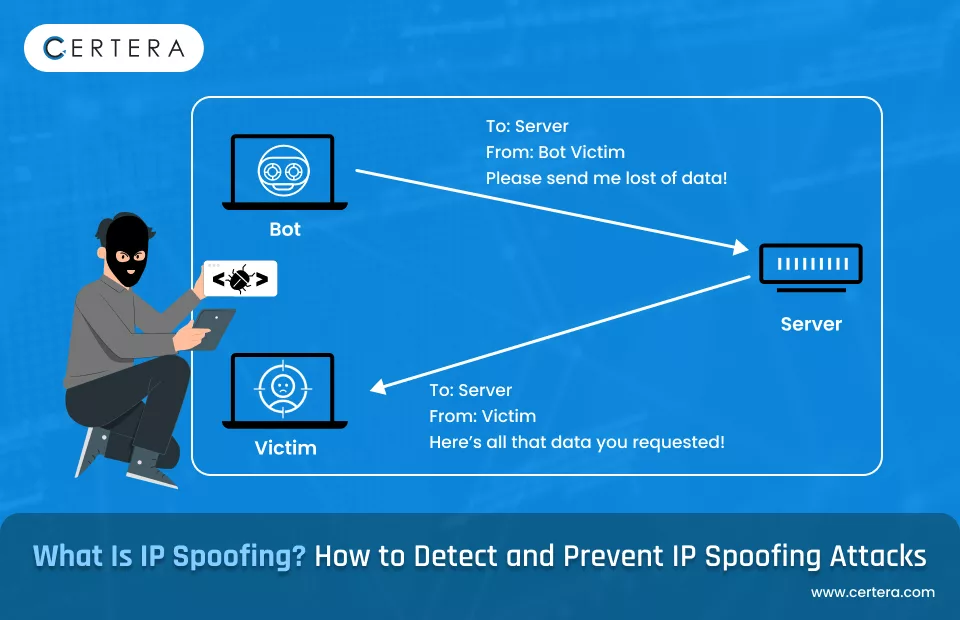
Introduction IP spoofing is one of the strategies that can be employed in the culmination of diverse types of cyber attacks. The knowledge of what IP spoofing means, how it is done, and how to avoid being a victim of such attacks is essential for one to be secure on…
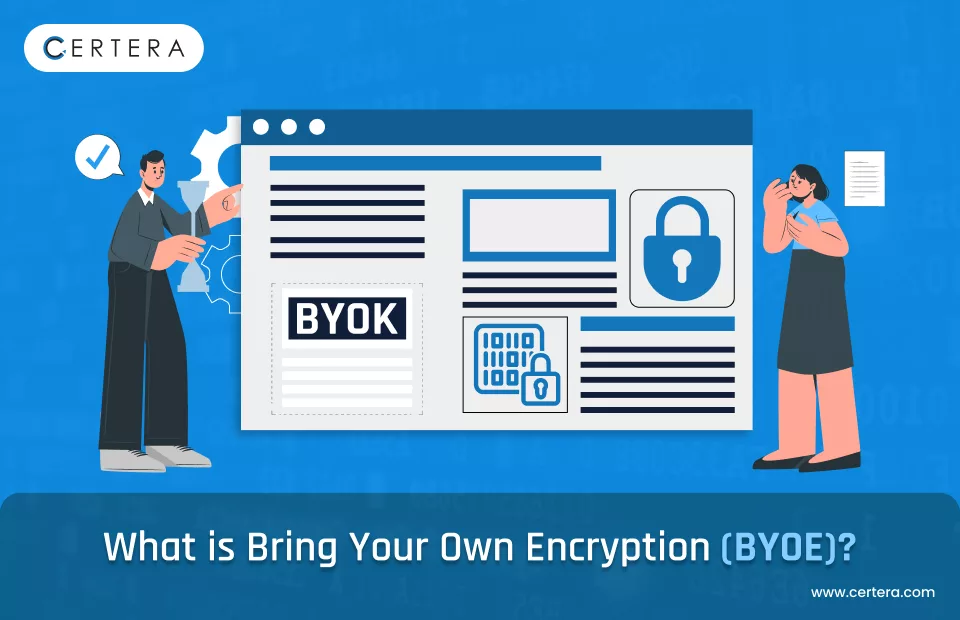
Introduction to BYOE Against the backdrop of organizations undergoing massive adoption of cloud services, it is critical to protect information from unauthorized access. The fact remains that most of the cloud service providers provide that most cloud services deliver strong encryption as a built-in feature, much of that worry arises…
DigiCert G1 Retirement 2026: A Turning Point in Web PKI Evolution Mozilla and Google Chrome will revoke the G1 root certificates of DigiCert on April 15, 2026. When the certificate you are using TLS chains to one of those roots, the browsers immediately do not trust it. A security warning…
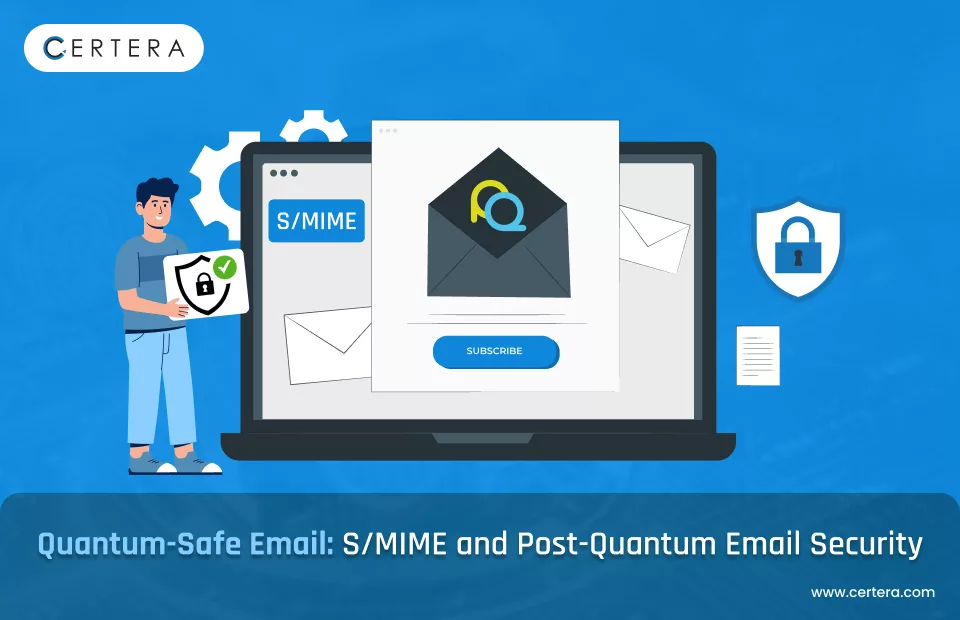
Your Email is Encrypted Today, but Will It Hold Up Tomorrow? Awakening one day to discover that every “secure email” you’ve ever written was not secure at all. Your client contracts, financial spreadsheets, and confidential boardroom conversations… all revealed as if they were open texts. It’s the quantum future that…
Introduction When it comes to sending data over the internet, two main protocols dominate the landscape: TCP, which stands for Transmission Control Protocol, and UDP stands for User Datagram Protocol. These protocols are important since they determine how information is transferred from one device to another. But what exactly are…
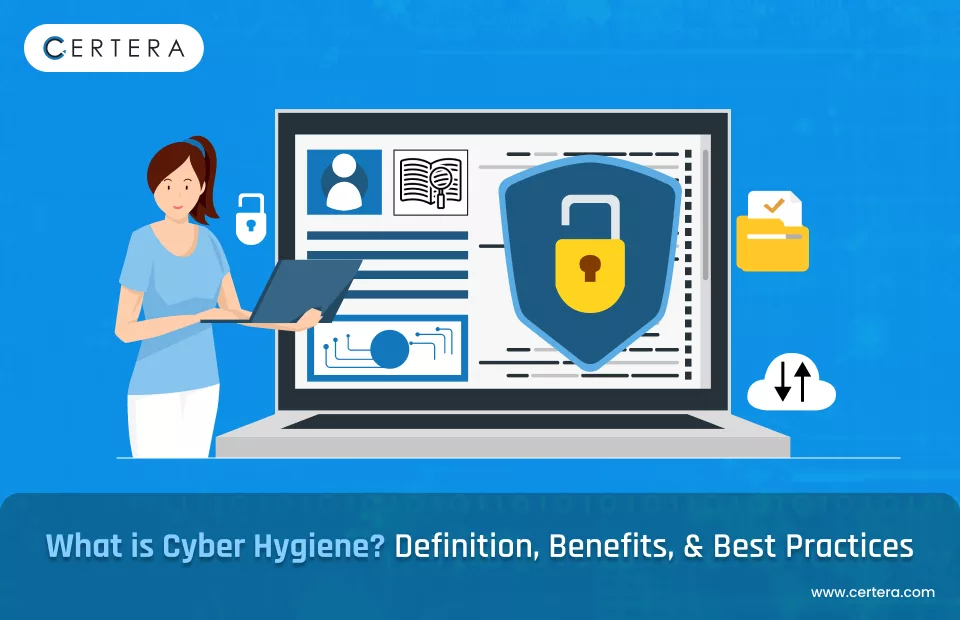
Introduction With recent technological advancements, cyber hygiene has become an important factor in digital safety and security. As cybercrime risks continue to rise, individuals and organizations must implement cybersecurity measures to prevent unauthorized access to sensitive, personal, and identity data online. Definition Cyber hygiene or cyber sanitation may be defined…
What is the Change? Beginning March 2026, Certificate Authorities (CAs) must verify DNSSEC signatures during CAA evaluation and Domain Control Validation (DCV) if DNSSEC has been enabled on the domain. This change has been approved by the CA/Browser Forum through the CA/B Forum Ballot SC-085v2 (TLS) and SMC014 (S/MIME). With…
It’s 3:00 AM on a Saturday. Your main customer channel, the one that brings 80 percent of the business, is dead. The routers are checked by the network team. Fine. The development team reverses the most recent code. Still down. Lastly, the sysadmin is a bleary-eyed individual who inspects his…
You’re here because your Mailchimp emails aren’t getting opened, and it’s costing you. This guide is different. It’s not fluff. It’s not guesswork. It’s a strategic, data-driven playbook to help you fix low open rates fast and keep them high. Every tip here is something you can apply right now…
Website owners should take notice of the future changes to the SSL/TLS industry that affect security, certificate management, and user trust. In 2026, Certificate Authorities (CAs), such as DigiCert and Sectigo, will be implementing many significant updates that comply with the CA/B Forum requirements. The following are the five significant…
The requirements for publicly trusted code signing certificates are becoming more stringent, and the new limits are now effective. This is because of the CA/Browser Forum’s Ballot CSC-31, which shortens the validity period of the certificates to enhance the security of the software supply chain in case the private keys…
Quantum computers won’t break the internet tomorrow… but they will break your email security sooner than you think. Today, cybercriminals and state-sponsored groups are quietly collecting encrypted emails in bulk. They know they can’t crack the encryption today. That’s fine. They don’t need to. They’re playing the long game. This…
SSL certificates are now expiring faster than avocados. Yes… avocados. You buy them green, blink twice, and suddenly they’re brown and useless. That’s exactly what’s happening to SSL/TLS certificates. Not long ago, certificates lasted years. Then the rules changed, and we got 13-month validity. And now? We’re heading into a…
The Shrinking Lifespan of TLS Certificates Remember when SSL certificates used to last three whole years? Then came the drop to one year. Painful, right? Well… brace yourself. By 2029, your SSL/TLS certificates will only last 47 days. Yes, just 47 days, and no, this isn’t a drill, and now…