Key Takeaways Introduction Hackers do not take a break. As a result, it’s essential that you fully understand every cybersecurity term. During your cybersecurity journey, you could have encountered the term “Secure Hashing Algorithm.“ The Secure Hash Algorithm, sometimes called SHA1, SHA2, SHA256, and SHA512, is among the most common…
In a swift response to the fifth newly discovered zero-day vulnerability in the Chrome browser, Google has released essential fixes. This high-severity vulnerability, officially designated as – “CVE-2023-5217” and discovered by – “Clement Lecigne” a member of Google’s Threat Analysis Group (TAG), is causing quite a stir in the cybersecurity…
The number of Internet users globally peaked at 4.7 billion in early 2020, representing a startling 1,187% surge in only 20 years. In addition, our growing reliance on Internet-based technology produces enormous volumes of data. This data must be encrypted since it includes many “sensitive” information. We utilize specialized encryption…
Is there anything more frightening for a website owner than the idea that a malicious hacker may change all they’ve done or perhaps delete it all? News stories frequently report on data breaches and hackers. You might be asking why someone would target my website for a small business. However,…
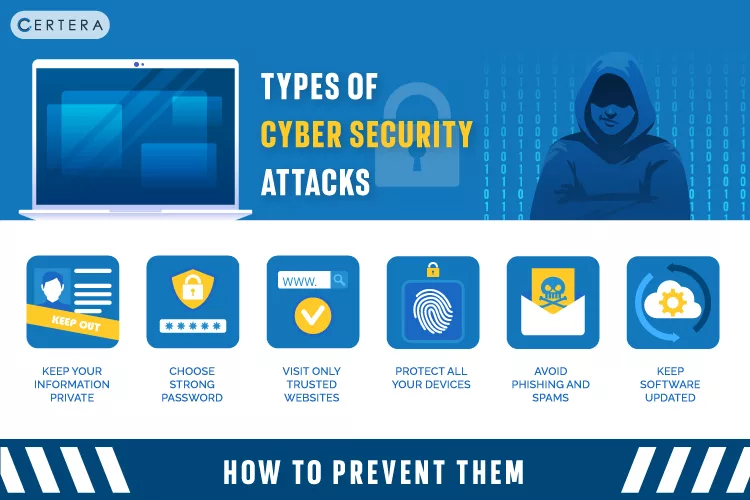
Cybersecurity is more crucial than ever in today’s environment. Having a reliable security solution is crucial given organizations’ constantly expanding risks. Cybersecurity is a genuine issue that affects everyone; there is no getting around it. There is no difference between an individual and an organization. There have been several changes…
The Australian software firm Atlassian rolled out fixes to tackle four high-severity product vulnerabilities that could lead to DoS attacks and remote code execution. Atlassian uncovered these flaws utilizing pen-testing processes, the Bug Bounty program, and third-party library scans. Here’s a detailed breakdown of these four vulnerabilities: CVE-2022-25647: This particular…
Today, it’s challenging to ignore ransomware attacks. The F.B.I.’s Internet Crime Report shows that local reports of such threats increased by 20% in 2020. Between 2019 and 2020, attacks increased by over sixty percent worldwide. Attacks by ransomware are growing not just but also in significance. Moreover, worldwide organizations were…
In the recent revelation, threat actors affiliated with RedLine and Vidar information stealing campaigns have exhibited a concerning shift towards ransomware dissemination by incorporating phishing strategies that spread initial payloads secured with Extended Validation (EV) Code Signing certificates. In lay terms, these threat actors use the same methods to deliver…
The significance of verified checkmarks has transcended social media platforms. The dawn of a new era arrived on May 3rd when Google ushered in a groundbreaking feature – the illustrious blue verification checkmarks – designed exclusively for email senders equipped with BIMI (Brand Indicators for Message Identification) and adorned with…
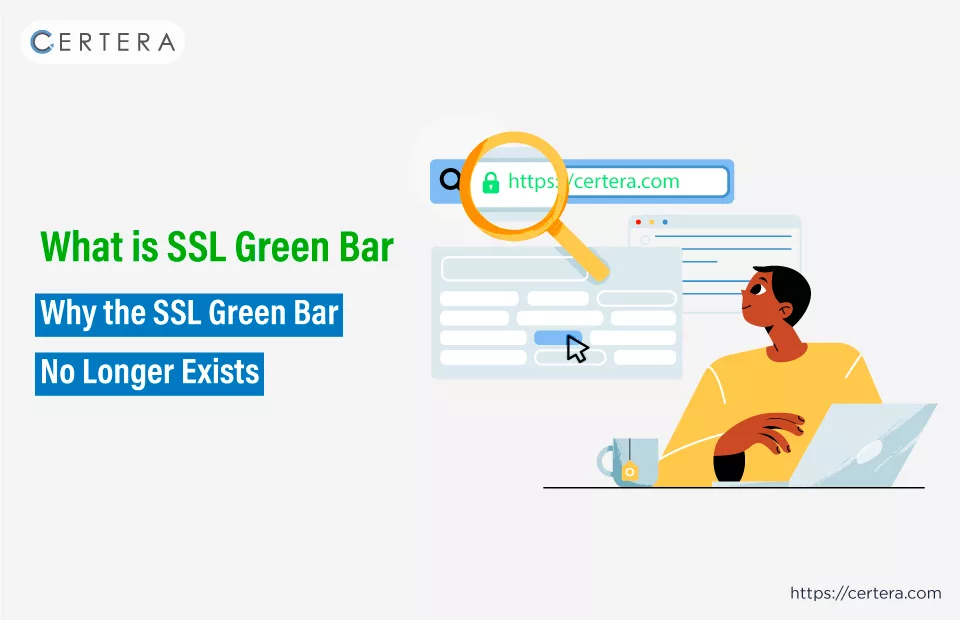
With the evolution of web browsers, SSL trust indicators (padlock, SSl green bar, site seals, etc.) were bound to evolve, being a part of the browser. SSL trust indicators are visible symbols or markers on the browser that indicate the presence of an SSL certificate on the website you’re visiting…
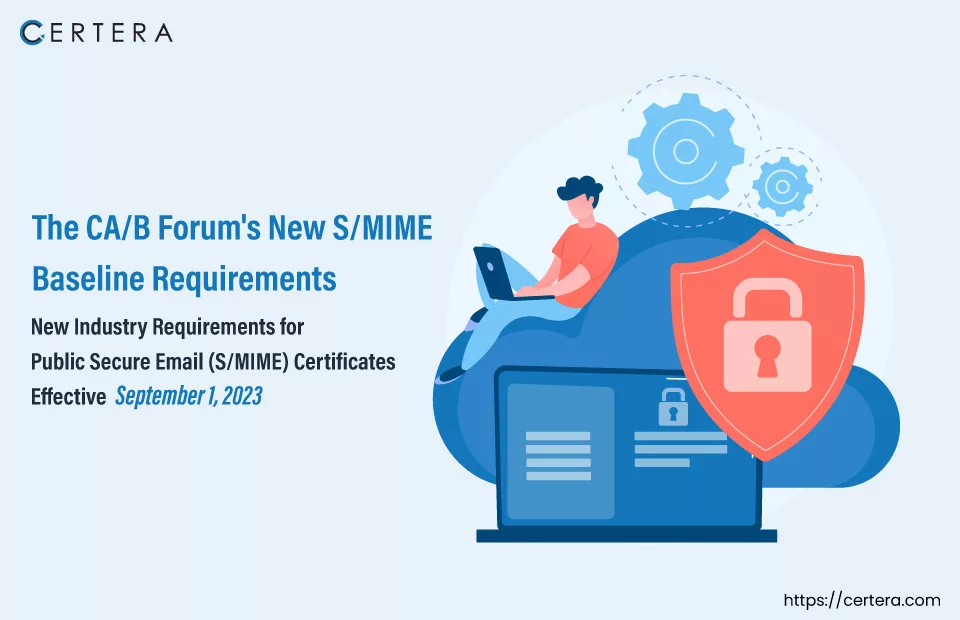
In July 2020, the CA/Browser Forum initiated a significant development in the world of digital security by establishing the S/MIME Certificate Working Group (SMCWG). The primary objective of this working group was to formulate and define stringent requirements for Certification Authorities (CAs) that issue S/MIME Digital Certificates. These certificates are…
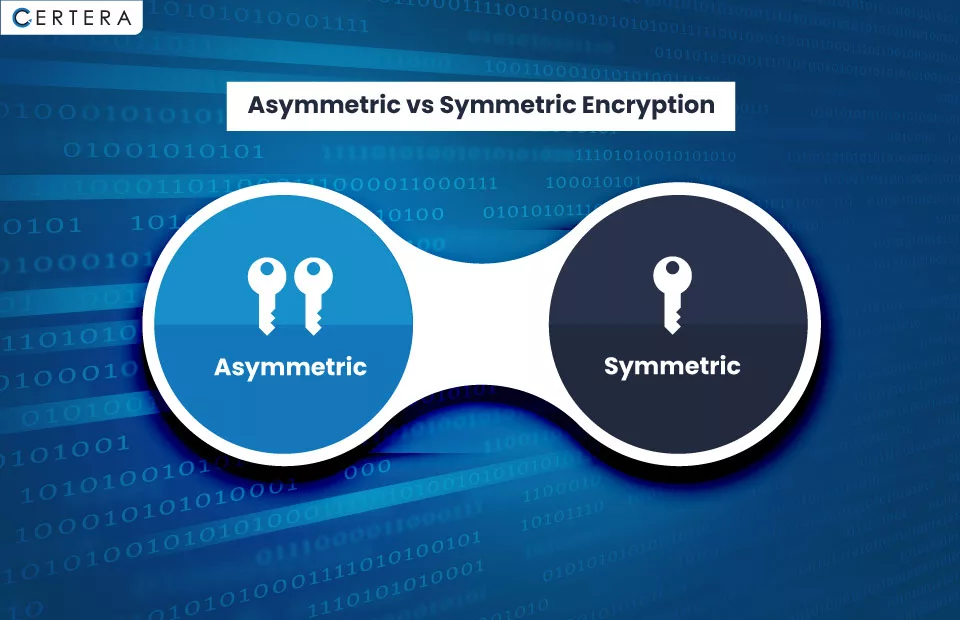
Hackers and other cybercriminals are more prevalent than ever today, affecting millions of customers. We must encrypt everything to prevent these criminals from taking our info. Fortunately, you can use two alternative encryption techniques: symmetric and asymmetric. Look at the overview of encryption before focusing on symmetric and asymmetric encryption.…
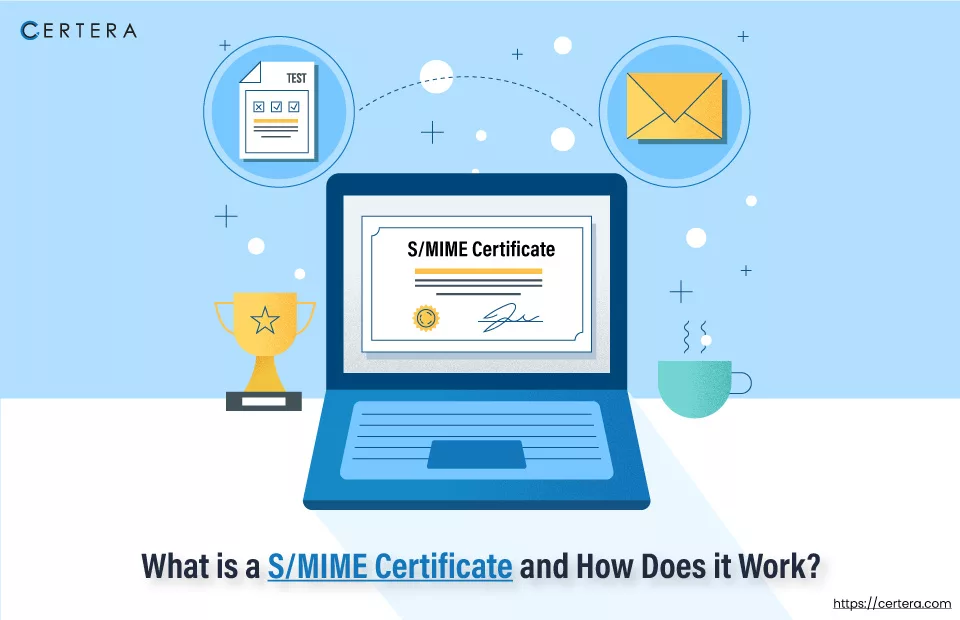
You might be thinking, “What is S/MIME?” Please don’t be alarmed; you are not alone if you were concerned after reading the title. However, most internet users have sent emails using S/MIME encryption certificates several times. If they use a corporate email account, S/MIME (often spelled “SMIME”) is not a…
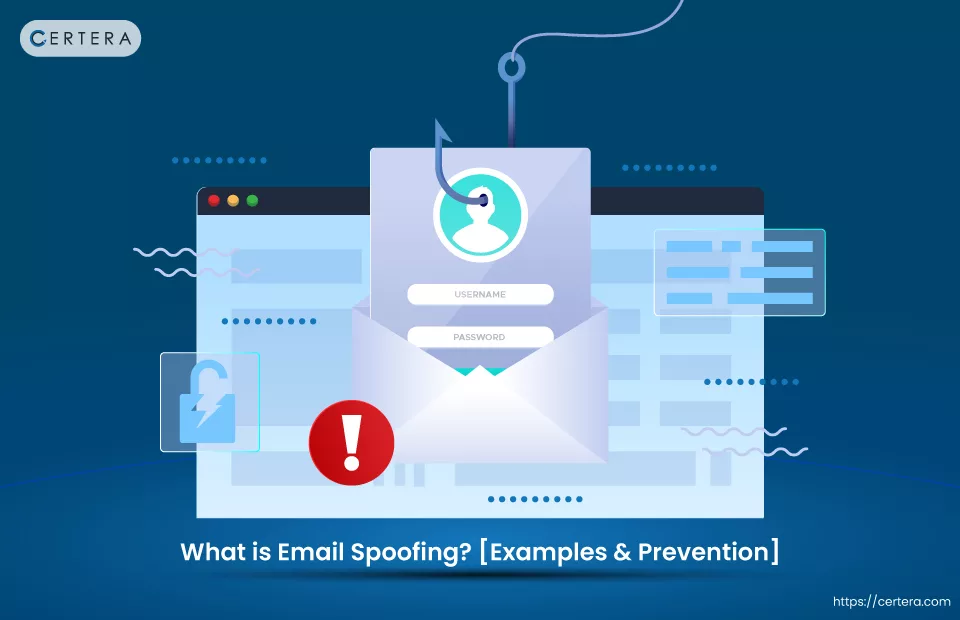
You’ve certainly been the victim of email spoofing at least once. This is because email spoofing touches everyone, whether they are high-profile companies or ordinary individuals. You will find all you need to know about email spoofing in this article, including what it is, why it occurs, and how to…
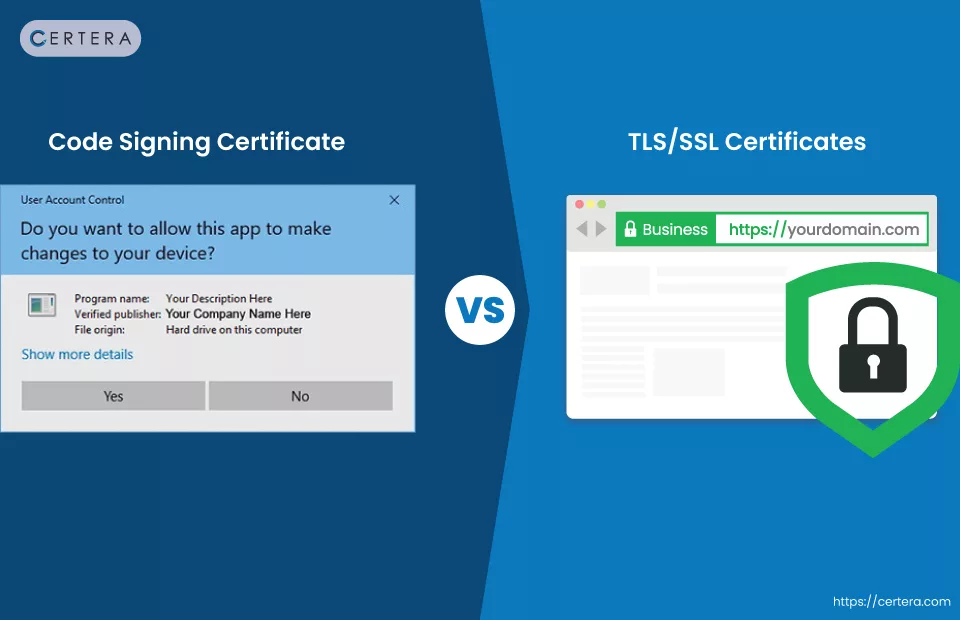
When protecting their web presence, most individuals need clarification on the difference between SSL and code signing certificates and wonder if they can be used interchangeably. The answer is NO. Although both code signing and SSL/TLS certificates use public-key encryption, there are notable differences between the two. The critical difference…