Welcome! This article will discover a robust protocol and explore how it functions. ACME protocol, short for Automated Certificate Management Environment, is a seamless communication channel between Certificate Authorities (CAs) and various endpoints in a company’s digital ecosystem. ACME automates the management of Public Key Infrastructure (PKI) certificates used in…
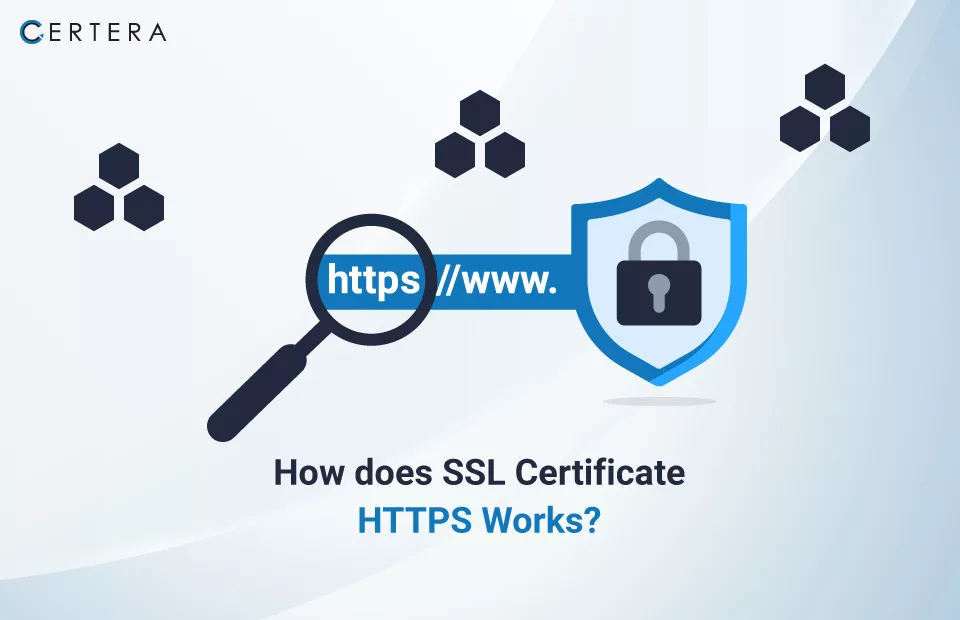
If you have a website, you must have an SSL certificate. In general, you’re certainly aware of how SSL certificates work. It utilizes the Transport Layer Security (TLS) protocol to ensure that the communication between your website and the web browser (used by the user) is protected and secured. Furthermore,…
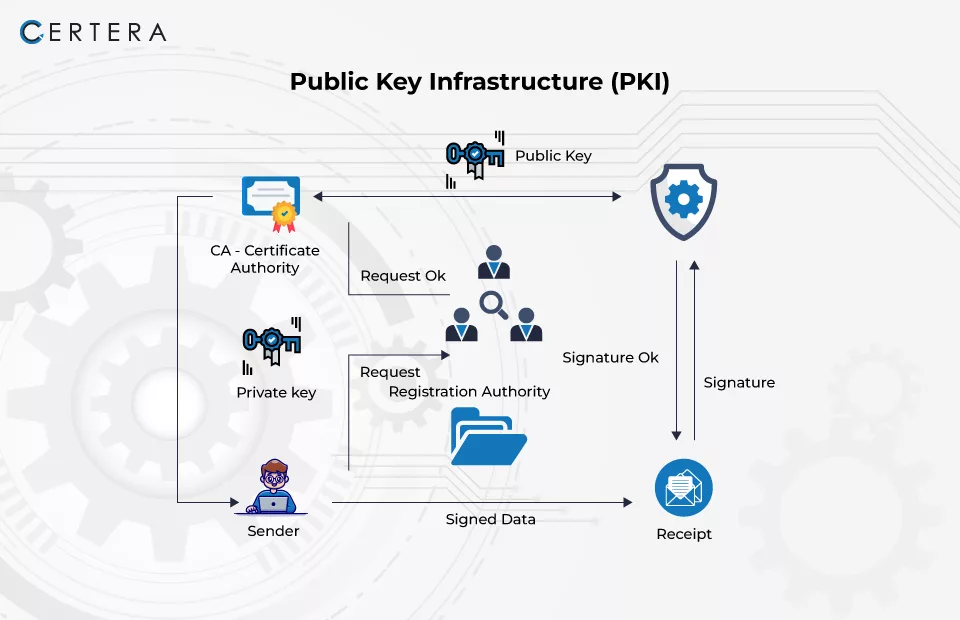
Securing Digital Communication: The Vital Role of Public Key Infrastructure (PKI) With increasing cyber threats, robust data encryption has become crucial to any organization, regardless of dimension or sector. Encryption is the process of converting plaintext into ciphertext, rendering it unreadable to unauthorized users. It plays a crucial role in…
SSL Offloading: A Breakthrough in Secure Data Transmission In today’s world of technology, ensuring that your website is secured against cyber-attacks is essential. SSL (Secure Socket Layer) encryption is one of the most effective techniques for doing this. SSL protects sensitive data by encrypting the traffic between the user’s browser…
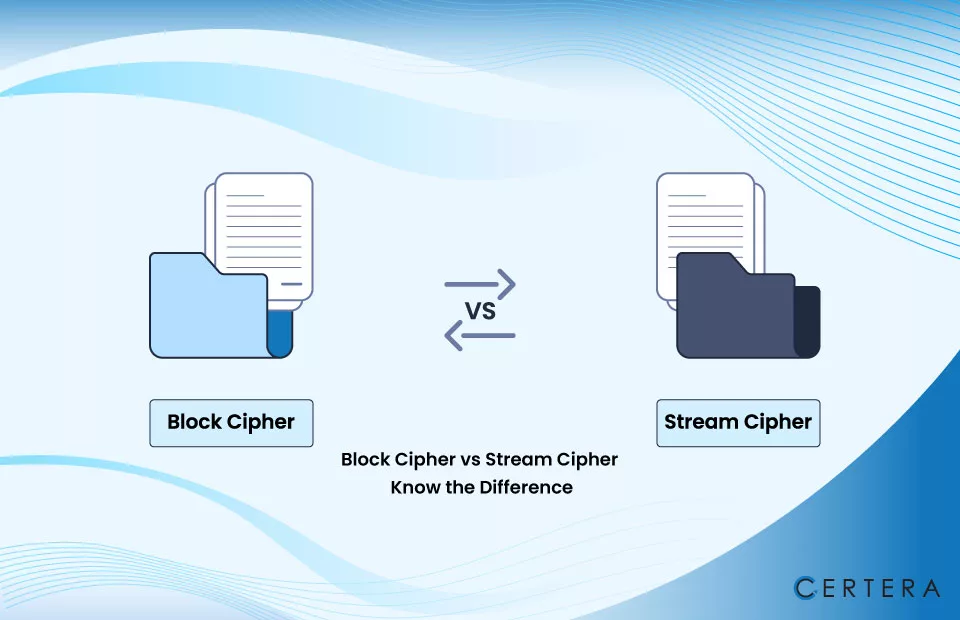
Block ciphers and stream ciphers are the two main encryption processes in cryptography. While both ciphers serve the same purpose of data security, they vary in many important ways, making them appropriate for various uses. In this article, we will look at the differences between Block ciphers and Stream ciphers…
What is an SSL Handshake Failure? An SSL Handshake failure error also known as (Cloudflare 525 error) occurs when a secure connection between a server and a client fails to establish. If you are familiar with the SSL Handshake process or using an SSL certificate, you must understand why such…
Key Takeaways SSL (Secure Sockets Layer), now known as TLS (Transport Layer Security is a protocol used to secure communication over the internet. SSL/TLS combines two cryptography types: Asymmetric Encryption and Symmetric Encryption. When your browser connects to a secure site, it performs an SSL/TLS handshake with the server before…
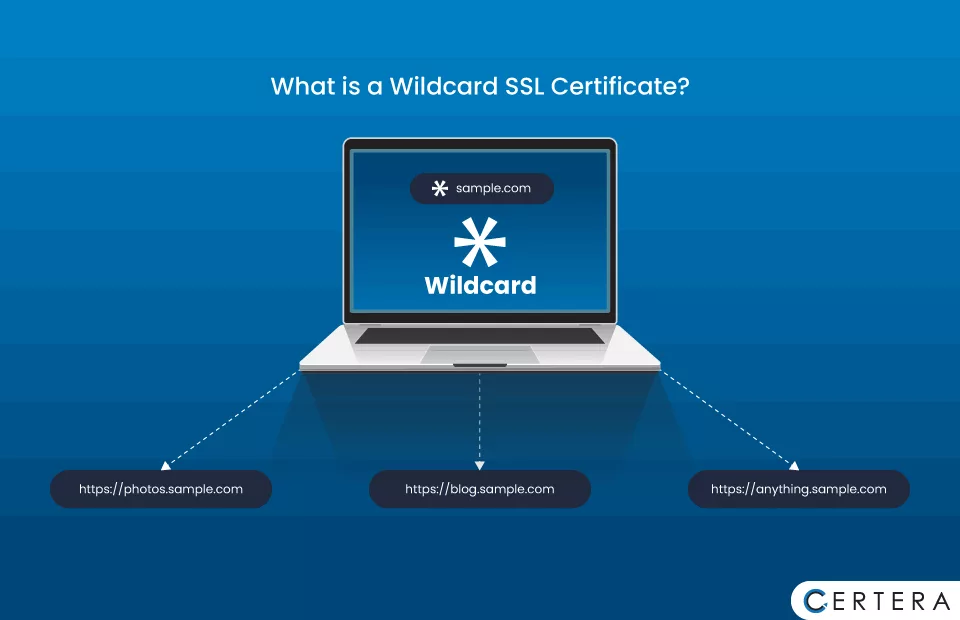
Hosting many subdomains for your website might benefit your business, However, it can also be a difficult process to handle. Securing these sub-domains with multiple SSL/TLS certificates further complicates the process, but a wildcard certificate is an easy solution. The term “wildcard” is frequently used to describe a sign or letter…
The advancement of information security has led to the development of numerous methods for preventing valuable information from being decrypted by attackers. Every company works with the transmission of information from a certain point to another. As a consequence, considerable effort expended to secure this data. That’s why today we…
An SSL certificate is a digital certificate that authenticates a website’s identity and enables an encrypted connection. SSL is an abbreviation for Secure Sockets Layer, a security protocol that establishes an encrypted connection between a web server and a web browser. This improves the value of their reputation and enhances…
Why are SSL Certificates Essential for Website Security and SEO? Whether you’re running an e-commerce website, a blog, or any other type of online platform, equipping it with the necessary security mechanisms is of utmost importance. One aspect of security is the application or SSL certificate – a security component…
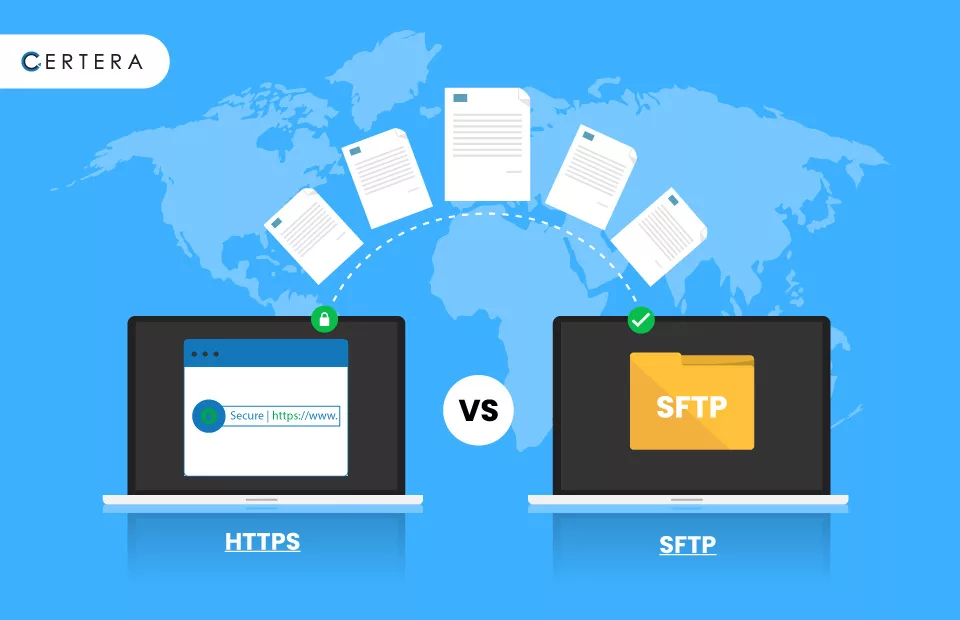
HTTPS or SFTP: How often do you find yourself wondering which protocol is the best choice? Both multiple computers widely use them for transferring data and files. HTTPS provides users with protection from cyber-attacks and data theft, while SFTP encrypts file transfers over a network to ensure secure data transfer.…
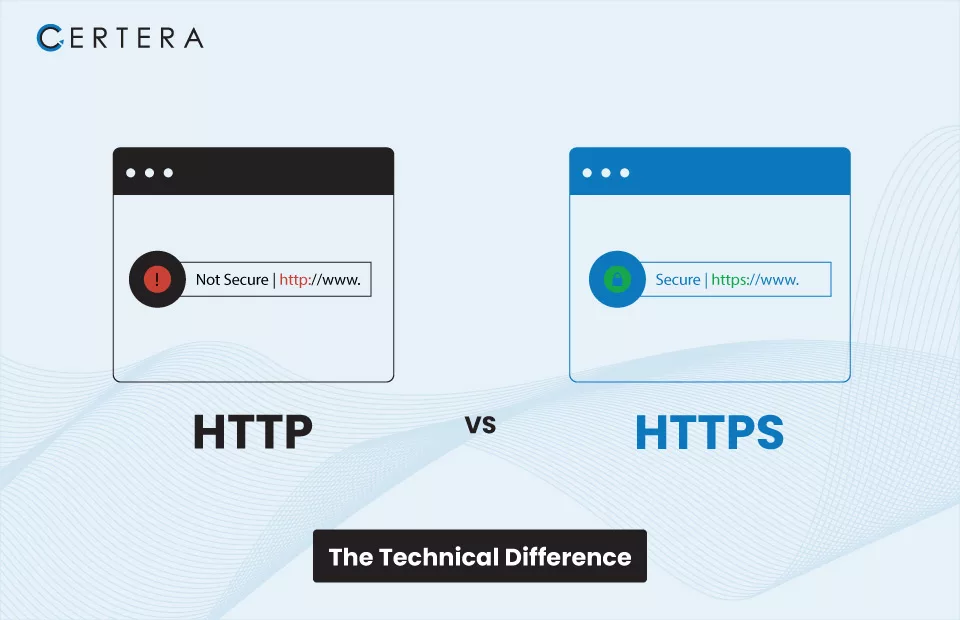
The difference between HTTP and HTTPS is important to understand. HTTP, or Hypertext Transfer Protocol, is the standard protocol that lets users send data between web browsers and servers. HTTPS, or Hypertext Transfer Protocol Secure, is a more secure version of HTTP; it lets users encrypt data sent between the…