Generating a CSR and obtaining a signed certificate from a trusted Certificate Authority is an important step to enable HTTPS on Apache Tomcat. Without a certificate signed by a trusted Certificate Authority (CA), web browsers will show security warnings when users access your Tomcat server over HTTPS. This can negatively…
SSL certificate obtained from a CSR generated on Google Cloud Platform provides authentication, integrity, and confidentiality for applications, allowing clients to connect securely over HTTPS. This is an important security measure for any web or cloud application. By generating a CSR (Certificate Signing Request) on GCP and obtaining an SSL…
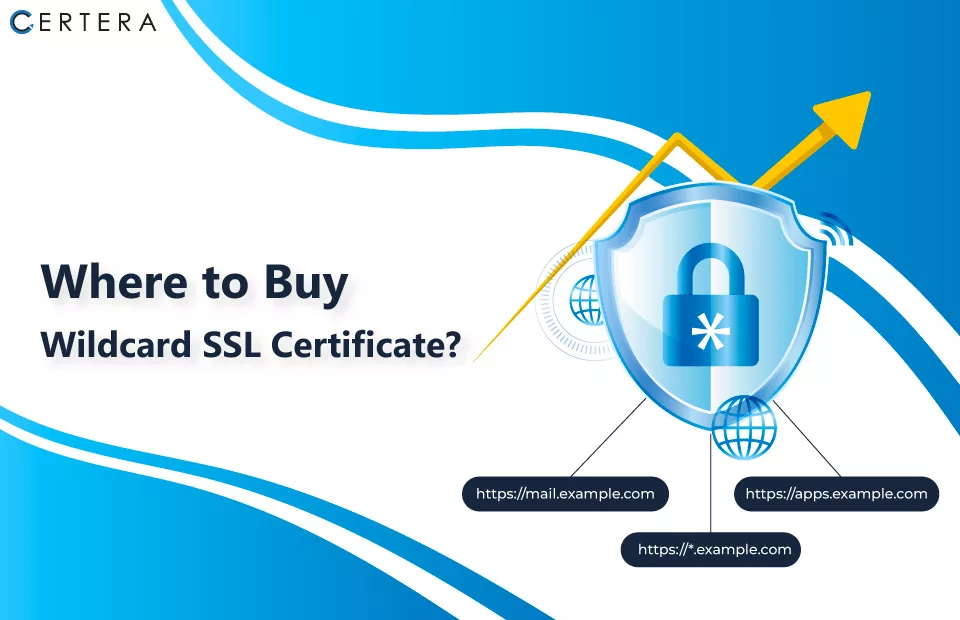
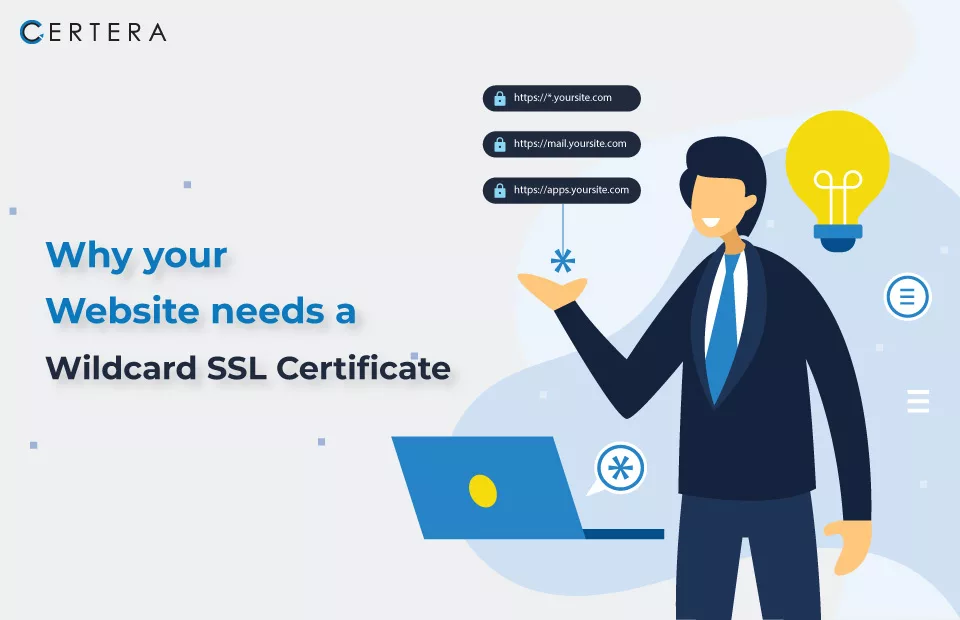
Explained What a Wildcard SSL is & How It Can Benefit Website A wildcard SSL certificate uses a single certificate to secure multiple subdomains on the same website. For example, a website with subdomains www.example.com, blog.example.com, and mail.example.com could secure all those sub-domains with a single wildcard SSL for *.example.com.…
Generating a CSR is the first step to obtain an SSL certificate for your custom domain hosted on Heroku. An SSL certificate secures your domain with HTTPS and encrypts traffic between users’ browsers and your app. The benefits of HTTPS & SSL outweigh any costs or effort involved in obtaining…
An SSL certificate establishes an encrypted link between a web server & browser. It ensures sensitive data transmitted between them remains private and authenticates the website’s identity. It activates the padlock and ‘https’ in the browser’s URL bar, building trust with website visitors. Wildcard SSL is a type of SSL…
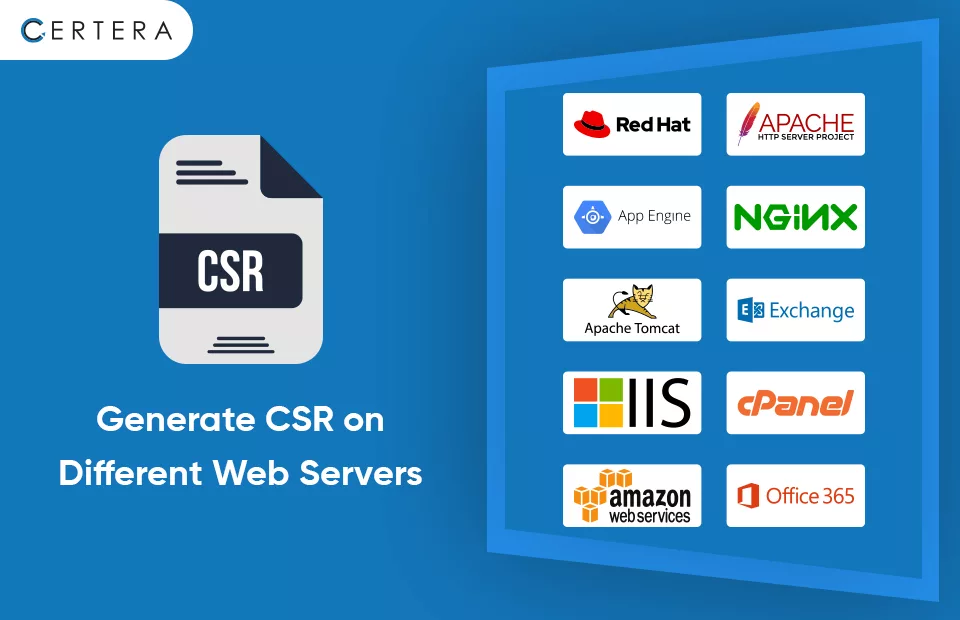
A Certificate Signing Request (CSR) is a file that an SSL issuer uses to request an SSL certificate from a certificate authority (CA). The organization making the request provides information in the CSR, including the organization name, domain names the user wishes to secure, key algorithm type, and key size.…
When serving content from an application on Google App Engine, it is highly recommended to serve it over HTTPS to provide security and privacy for users. To serve HTTPS content, your application needs an SSL certificate signed by a trusted certificate authority like Comodo, Sectigo, or Certera. Google App Engine…
Generating a CSR (Certificate Signing Request) is the first step in obtaining an SSL certificate for your website. SSL certificates are important because they enable encryption of the data transfer between your website visitors’ browsers and your website, ensuring that the connection and all data passed is secure and private.…
Generating CSR on IBM Cloud is essential for securing your applications and workloads. The CSR Generation steps enable you to obtain an SSL certificate signed by a trusted Certificate Authority (CA). These signed certificates establish a secure connection between your applications and clients. They verify the identity of websites and…
The Courier IMAP server requires an SSL certificate for encryption and secure communication. To obtain an SSL certificate, you first need to generate a CSR (Certificate Signing Request) file containing information about the server and domain. The Certificate Authority (CA) verifies the details and issues an official SSL certificate after receiving the…